Encoding
HID Prox & Access Card Programming
HID prox and smart credentials, encoded to your facility code and format, ready to badge in on day one.
Request this service- HID Prox, iCLASS SE & SR, SEOS
- 26-bit & 37-bit + proprietary formats
- Matched to your facility code
- Same-day & mobile options
Encoded to your system, ready on day one
A blank prox or access card does nothing until it's programmed for your access-control system. A reader doesn't care what's printed on a card, it reads the encoded number and passes it to your panel. If that number, its format, and your facility code aren't exactly right, the card is a coaster. Card Imaging programs HID access credentials to your precise facility code and Wiegand format so every card opens the door the moment it arrives, since 1984.
If you are still working out what you actually run, our guide to access credentials and encoding walks through facility codes, card formats, and the difference between prox and smart credentials, in plain language.
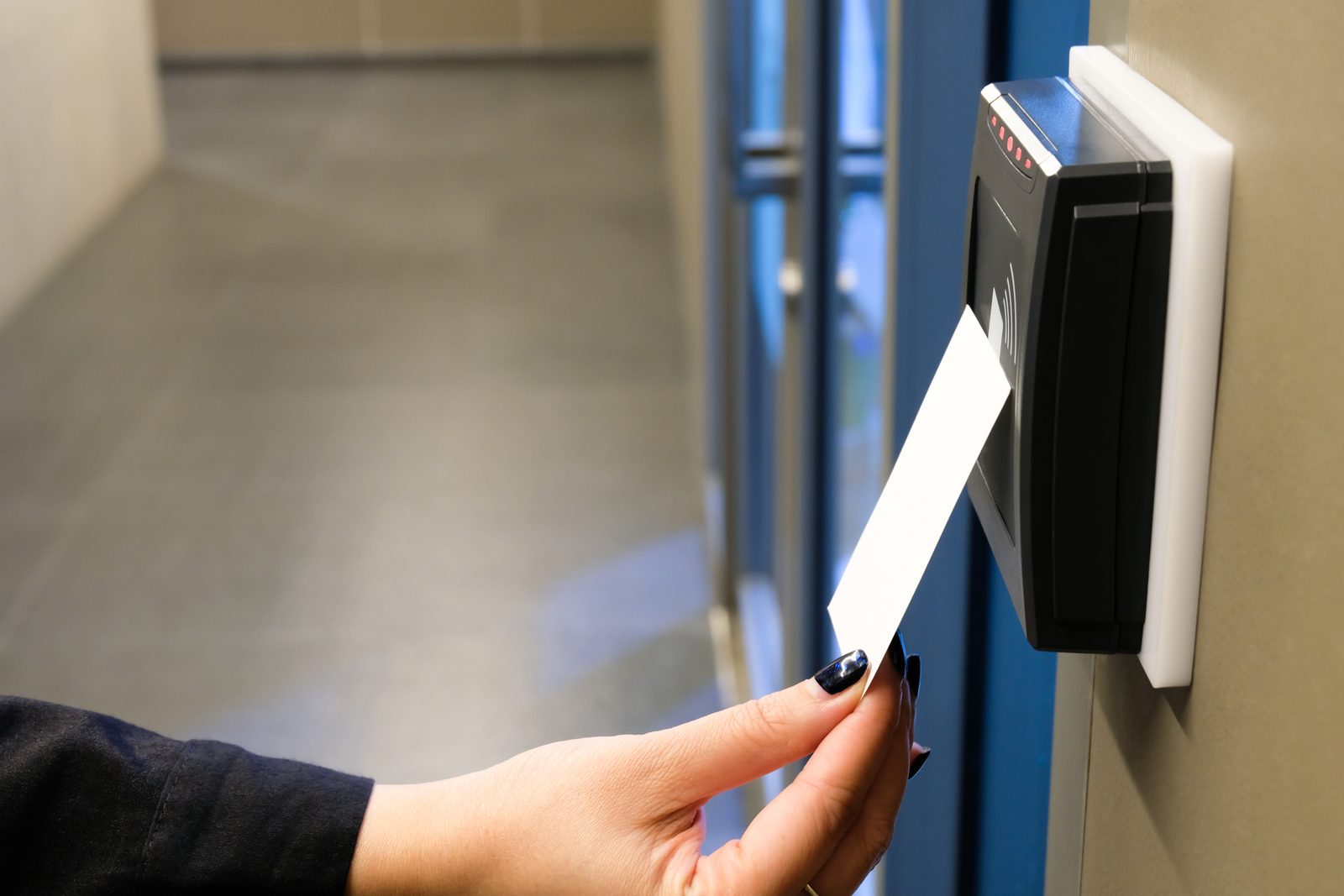
Credentials we program
We program HID credentials only, matched to your system. We do not program generic MIFARE or non-HID contact smart chips.
- HID Prox (125 kHz), the legacy proximity standard. Inexpensive and universally compatible, but it broadcasts an unencrypted number and is easy to clone. Ideal for straightforward door access on an existing prox system.
- HID iCLASS SE / iCLASS SR, 13.56 MHz smart credentials that protect the access data with encryption instead of broadcasting a plain number, a strong upgrade from legacy prox and classic iCLASS.
- HID SEOS, HID's highest-security credential: modern encryption, mutual authentication, and the foundation for mobile access (a credential on a phone) and multi-application use.
We program the common Wiegand formats, including 26-bit H10301 and 37-bit H10304, plus many proprietary and manufacturer-specific formats.
Popular credentials we stock
The physical card matters as much as the encoding. Common HID options:
- ISOProx II (1386), standard ISO-thickness PVC that's directly printable, the one for photo-ID badges that also open doors. This is our standard prox card.
- Composite ISOProx (1586), a more durable PVC/polyester blend for heavy use and retransfer printing.
- Prox key fobs and tags, the same credential in a keyring or stick-on form.
Still buying 1326 ProxCard II clamshells? We do not stock clamshell, and most programs running it are better off without it. A clamshell is roughly twice the thickness of a standard card, so it cannot be printed on. That means a separate photo ID clipped alongside it, two things to issue and two things to lose, and it will not fit a standard slot punch, a wallet, or most badge holders.
The credential inside is the same 125 kHz HID Prox. Encode a 1386 ISOProx II with your existing facility code and card number and your readers cannot tell the difference, except now one printable card is both the photo ID and the key. Send us a working clamshell and we will read the format and facility code straight off it.
What we need to program your cards
To program credentials that work on the first tap, we need a few details up front. No facility code and format means we can't encode it, so gather these before you order:
- Credential type / part number, e.g. HID Prox, iCLASS SE, SEOS, or a specific part like 1386 ISOProx II.
- Wiegand format, usually 26-bit H10301 or 37-bit H10304. Not sure? It's in your access-control system or on an existing working card.
- Facility (site) code, the number that identifies your building to the reader.
- Starting card number and quantity, where the sequence begins and how many cards.
Don't know your format or facility code? Send us a working sample card and we'll identify it for you.
Order online, or get a custom quote
Standard combinations, HID Prox and iCLASS SE / SR in 26-bit or 37-bit, are pre-programmed and ship fast, so you can order them online. SEOS, proprietary formats, or anything you'd like a hand with, we program in-house on a quick quote. Not sure which path fits? Use the prox card finder and we'll point you to the right one.
FAQ
Prox & Access Card Programming questions.
What information do you need to program our cards?
What is a facility code?
What's the difference between 26-bit and 37-bit?
Do you program iCLASS SE and SEOS?
Do you program MIFARE or other non-HID smart cards?
What if we don't know our card format or facility code?
Can I order pre-programmed cards online?
Need this handled?
Tell us what you need and our team will take it from there.